Monitoring your blood pressure is an important aspect of maintaining good health. High blood pressure, also known as hypertension, can lead to serious health complications if left untreated. One way to track your blood pressure readings is by using a printable chart. This chart can help you keep a record of your blood pressure measurements over time and identify any patterns or trends that may need attention.
A blood pressure printable chart typically includes columns for recording the date, time of day, systolic blood pressure (the top number), and diastolic blood pressure (the bottom number). Some charts may also include additional columns for notes on factors that may influence your blood pressure, such as medication intake, physical activity, or stress levels. By consistently filling out this chart, you can track your blood pressure readings and share them with your healthcare provider for further analysis.
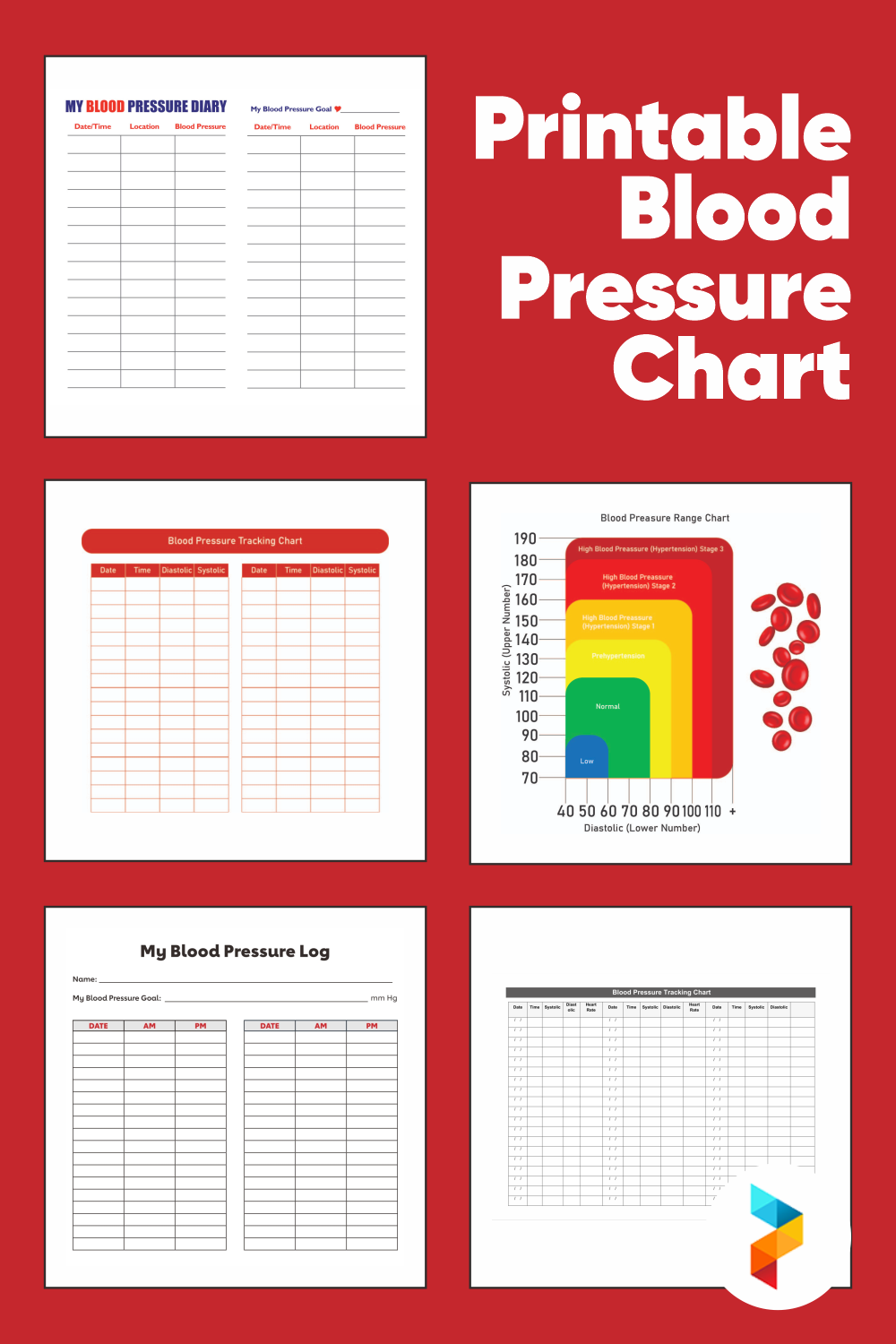 Blood Pressure Printable Chart
Using a blood pressure printable chart can also help you identify any fluctuations in your blood pressure levels throughout the day. For example, you may notice that your blood pressure tends to be higher in the morning or after a stressful event. This information can be valuable in making lifestyle changes or adjustments to your medication regimen to better manage your blood pressure. Additionally, having a visual representation of your blood pressure readings can serve as a motivation to stay committed to a healthy lifestyle.
It’s important to note that a blood pressure printable chart should not replace regular check-ups with your healthcare provider. While tracking your blood pressure at home can be beneficial, it’s essential to have your blood pressure monitored by a professional on a regular basis. Your healthcare provider can provide guidance on how to interpret your blood pressure readings and recommend appropriate treatment options if needed.
In conclusion, a blood pressure printable chart is a useful tool for monitoring your blood pressure levels and identifying any potential issues. By keeping a record of your blood pressure readings, you can take an active role in managing your health and working towards optimal blood pressure levels. Remember to consult with your healthcare provider for personalized guidance on how to maintain a healthy blood pressure.