When it comes to working with refrigeration systems, having a reliable pressure-temperature (PT) chart is essential. This chart helps technicians determine the proper pressure and temperature settings for specific refrigerants, ensuring optimal performance of the system. However, carrying around a physical PT chart can be cumbersome and easily misplaced. That’s where printable refrigerant PT charts come in handy.
Printable refrigerant PT charts are convenient tools that can be easily accessed and printed whenever needed. They provide all the necessary information in a compact and portable format, making it easier for technicians to reference while on the job. These charts typically include a list of common refrigerants along with their corresponding pressure and temperature values, making it easy to make adjustments as needed.
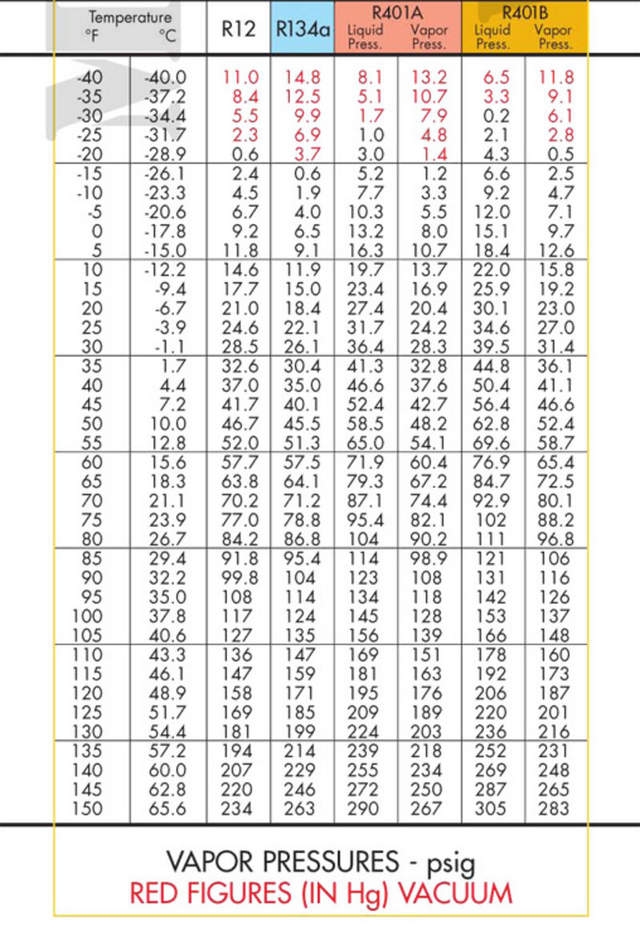 Printable Refrigerant Pt Chart
Using a printable refrigerant PT chart can help technicians troubleshoot issues more efficiently and accurately. By having quick access to the correct pressure and temperature settings, they can diagnose problems and make adjustments quickly, saving time and ensuring the system is running smoothly. This can lead to increased efficiency and reduced downtime for the refrigeration system.
Another benefit of printable refrigerant PT charts is that they can be customized to include specific refrigerants or additional information as needed. This flexibility allows technicians to create charts that are tailored to their specific needs and preferences, ensuring they have all the information they need at their fingertips. They can also be easily updated as new refrigerants or information becomes available.
In conclusion, printable refrigerant PT charts are valuable tools for technicians working with refrigeration systems. They provide a convenient and portable way to access important pressure and temperature information, allowing for quick and accurate adjustments when needed. By using these charts, technicians can improve efficiency, reduce downtime, and ensure optimal performance of the refrigeration system.