Monitoring your blood pressure is essential for maintaining good health and preventing serious health conditions such as heart disease, stroke, and kidney disease. One effective way to keep track of your blood pressure readings is by using a printable log chart. This chart allows you to record your blood pressure measurements regularly and track any patterns or trends over time.
By using a blood pressure printable log chart, you can easily see how your blood pressure fluctuates throughout the day and identify any factors that may be contributing to changes in your readings. This information can be valuable for your healthcare provider in determining the best course of treatment or lifestyle changes to help manage your blood pressure effectively.
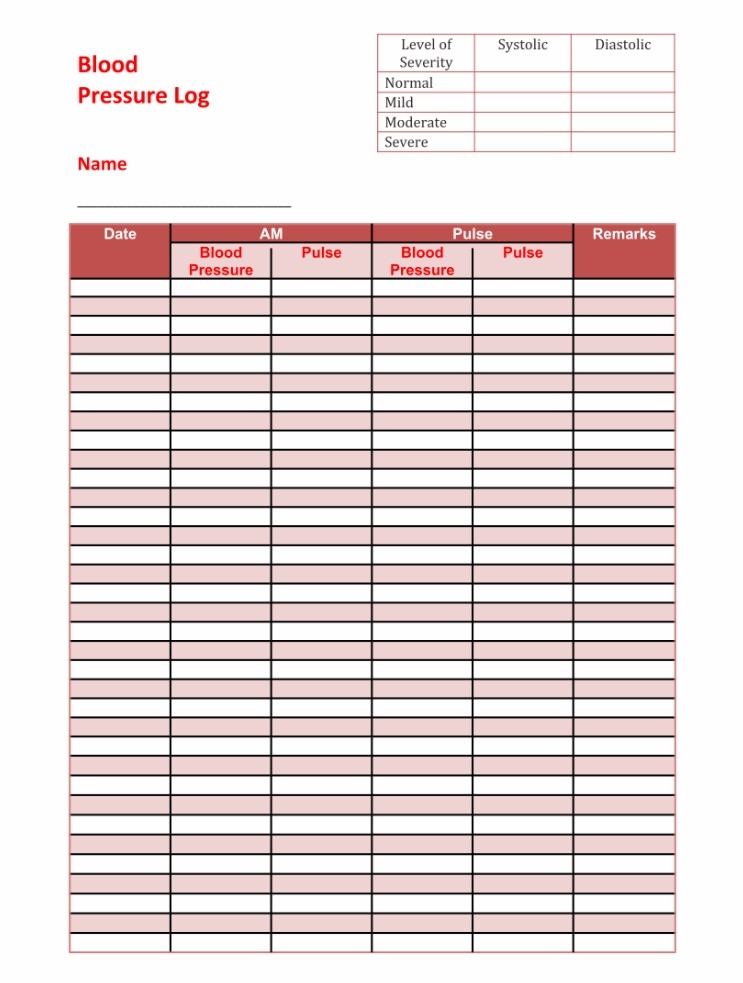 Blood Pressure Printable Log Chart
Blood Pressure Printable Log Chart
A blood pressure printable log chart typically includes columns for recording the date, time of day, blood pressure reading (both systolic and diastolic), and any additional notes such as medication taken, activities performed, or symptoms experienced. By filling out this chart regularly, you can create a comprehensive record of your blood pressure measurements that can be easily shared with your healthcare provider during check-ups.
It is recommended to measure your blood pressure at least once a day, preferably at the same time each day, to get accurate and consistent readings. By tracking your blood pressure over time, you can identify any patterns or trends that may indicate changes in your health status and make necessary adjustments to your treatment plan accordingly.
In addition to using a blood pressure printable log chart, it is important to maintain a healthy lifestyle by eating a balanced diet, exercising regularly, managing stress, and avoiding smoking and excessive alcohol consumption. These lifestyle changes can help improve your blood pressure readings and reduce your risk of developing cardiovascular diseases.
Overall, keeping track of your blood pressure with a printable log chart is a simple yet effective way to monitor your health and make informed decisions about your well-being. By maintaining regular check-ups with your healthcare provider and following their recommendations, you can take control of your blood pressure and reduce your risk of developing serious health conditions in the future.