Potassium is an essential mineral that plays a vital role in maintaining proper muscle function, nerve signaling, and fluid balance in the body. It also helps regulate blood pressure and reduce the risk of stroke. It is important to include potassium-rich foods in your diet to ensure you are meeting your daily requirements.
One way to keep track of your potassium intake is by using a printable chart that lists the potassium content of various foods. This can help you make informed decisions about which foods to include in your meals to boost your potassium levels.
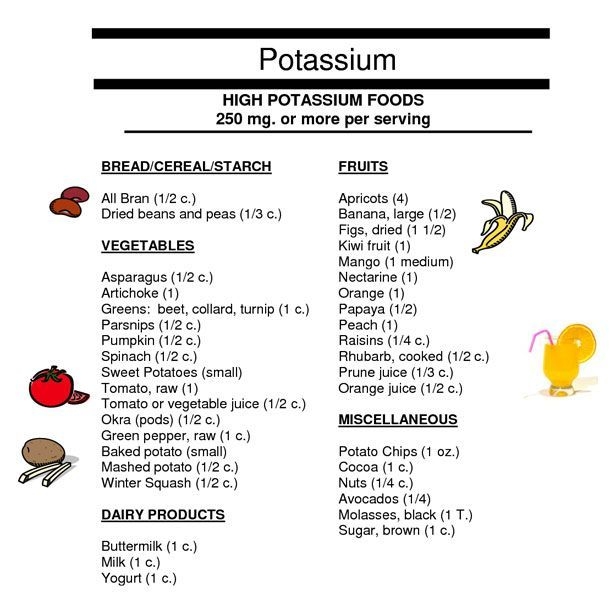 Potassium Rich Foods Chart Printable
Potassium Rich Foods Chart Printable
Here is a list of some potassium-rich foods that you can include in your diet:
- Bananas: Bananas are a great source of potassium, with one medium-sized banana containing about 422 mg of potassium.
- Sweet potatoes: One medium-sized sweet potato provides around 541 mg of potassium.
- Spinach: Spinach is a leafy green vegetable that is high in potassium, with one cup cooked spinach containing approximately 839 mg of potassium.
- Avocados: Avocados are not only delicious but also rich in potassium, with one medium avocado containing about 975 mg of potassium.
- Oranges: Oranges are a good source of potassium, with one medium-sized orange providing around 237 mg of potassium.
By incorporating these potassium-rich foods into your diet, you can help ensure that you are meeting your daily potassium requirements. Remember to consult with a healthcare professional before making any significant changes to your diet, especially if you have specific health concerns or conditions.
It is important to note that while potassium is essential for overall health, consuming too much of it can be harmful. It is recommended to aim for the daily recommended intake of potassium, which is about 4,700 mg for most adults.
In conclusion, including potassium-rich foods in your diet is crucial for maintaining proper bodily functions and overall health. Use a printable chart to track your potassium intake and make informed decisions about the foods you consume. By doing so, you can ensure that you are meeting your daily potassium requirements and supporting your overall well-being.