Monitoring blood sugar levels is essential for individuals with diabetes to manage their condition effectively. A printable blood sugar chart can be a valuable tool in tracking and recording these levels over time. By consistently monitoring blood sugar levels, individuals can make informed decisions about their diet, exercise, and medication to keep their levels within a healthy range.
Using a printable blood sugar chart can help individuals visually see patterns and trends in their blood sugar levels. This can be especially helpful for identifying factors that may be causing fluctuations, such as certain foods, stress, or physical activity. By keeping a record of blood sugar levels, individuals can work with their healthcare provider to make necessary adjustments to their diabetes management plan.
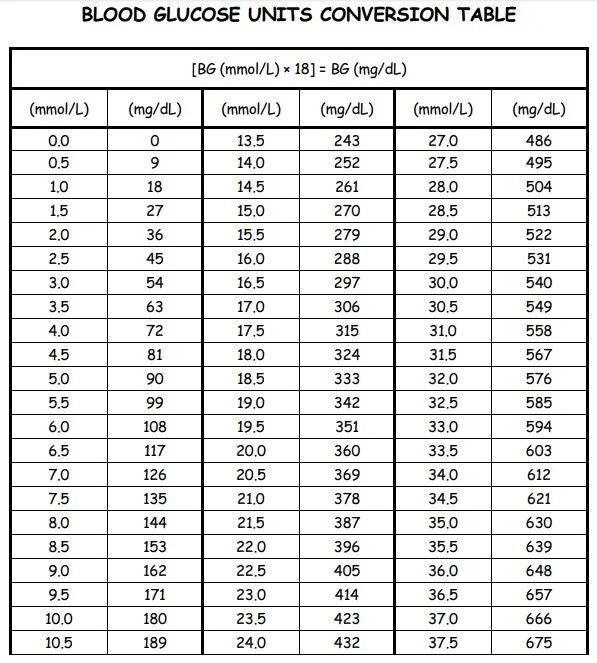 Printable Blood Sugar Chart
It is important to note that blood sugar levels can vary throughout the day, so it is recommended to test at different times, such as before and after meals, before bedtime, and during physical activity. A printable blood sugar chart typically includes spaces to record the date, time, blood sugar reading, and any notes about factors that may have influenced the reading. This comprehensive record can provide valuable insights into how the body responds to different stimuli.
Some printable blood sugar charts may also include target ranges for blood sugar levels, based on recommendations from healthcare providers. This can help individuals understand what levels are considered normal, high, or low, and take appropriate action if their levels fall outside of these ranges. By consistently tracking blood sugar levels and comparing them to target ranges, individuals can better manage their condition and avoid potential complications.
In conclusion, a printable blood sugar chart can be a useful tool for individuals with diabetes to monitor and manage their blood sugar levels effectively. By regularly recording and analyzing their levels, individuals can make informed decisions about their health and work towards maintaining stable blood sugar levels. Consult with a healthcare provider to determine the best monitoring schedule and target ranges for your specific needs.