Managing your blood sugar levels is crucial for individuals with diabetes. One of the key indicators of how well you are managing your diabetes is your A1c level. A1c, also known as hemoglobin A1c, is a measure of your average blood sugar levels over the past 2-3 months. Keeping track of your A1c levels is essential in monitoring your diabetes management.
Having a printable chart to record your A1c levels can be a helpful tool in managing your diabetes. It allows you to visually see your progress over time and identify any patterns or trends in your blood sugar levels. With a printable chart, you can easily track your A1c levels and share them with your healthcare provider during your appointments.
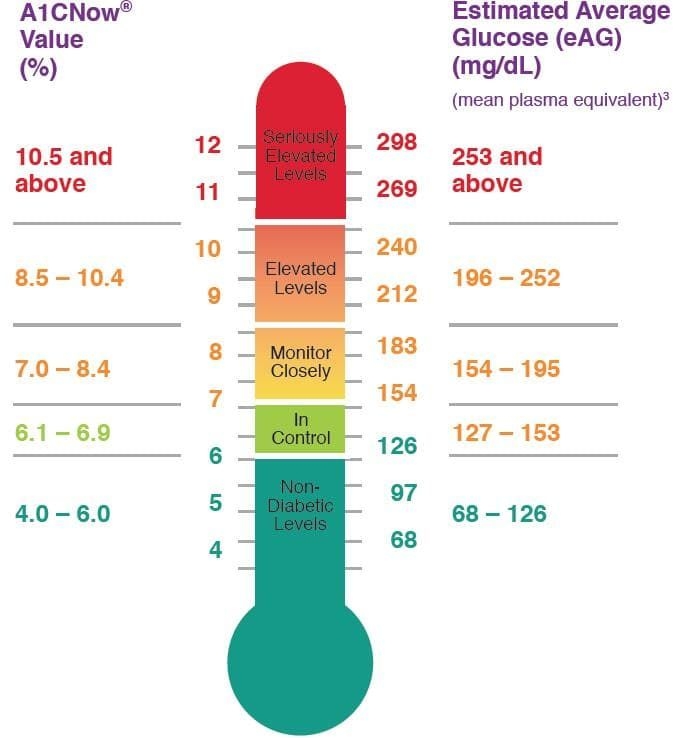 A1c Printable Chart
There are various A1c printable charts available online that you can download and use for free. These charts typically include spaces to record the date of your A1c test, the result of the test, and any notes or comments you may have regarding your levels. Some charts may also include additional columns to track other important factors such as medication changes, diet modifications, or exercise routines.
By consistently using an A1c printable chart, you can better understand how your lifestyle choices impact your blood sugar levels. You can also identify areas where you may need to make adjustments to improve your diabetes management. This visual representation of your A1c levels can serve as motivation to stay on track with your treatment plan and make healthier choices.
Remember to discuss your A1c levels with your healthcare provider regularly to ensure that your diabetes management plan is effective. Your healthcare provider can help interpret your A1c results and provide guidance on any necessary changes to your treatment plan. By working together and using tools like an A1c printable chart, you can take control of your diabetes and lead a healthier life.
In conclusion, an A1c printable chart is a valuable resource for individuals with diabetes to track and monitor their blood sugar levels. By utilizing this tool, you can better understand your A1c levels, identify patterns, and make informed decisions about your diabetes management. Make sure to regularly update your A1c chart and discuss your results with your healthcare provider for optimal diabetes care.