Understanding the glycemic index of foods is crucial for managing blood sugar levels, especially for individuals with diabetes. The glycemic index ranks foods based on how they affect blood glucose levels, with low-glycemic foods causing a slower, more gradual rise in blood sugar compared to high-glycemic foods. Having a printable chart of foods with their corresponding glycemic index values can be a helpful tool for meal planning and making healthier food choices.
A glycemic index printable chart typically lists common foods and their glycemic index values, ranging from low to high. Low-glycemic foods have a value of 55 or less, medium-glycemic foods have a value of 56-69, and high-glycemic foods have a value of 70 or above. By referring to a printable chart, individuals can easily identify which foods to include in their diet to help maintain stable blood sugar levels.
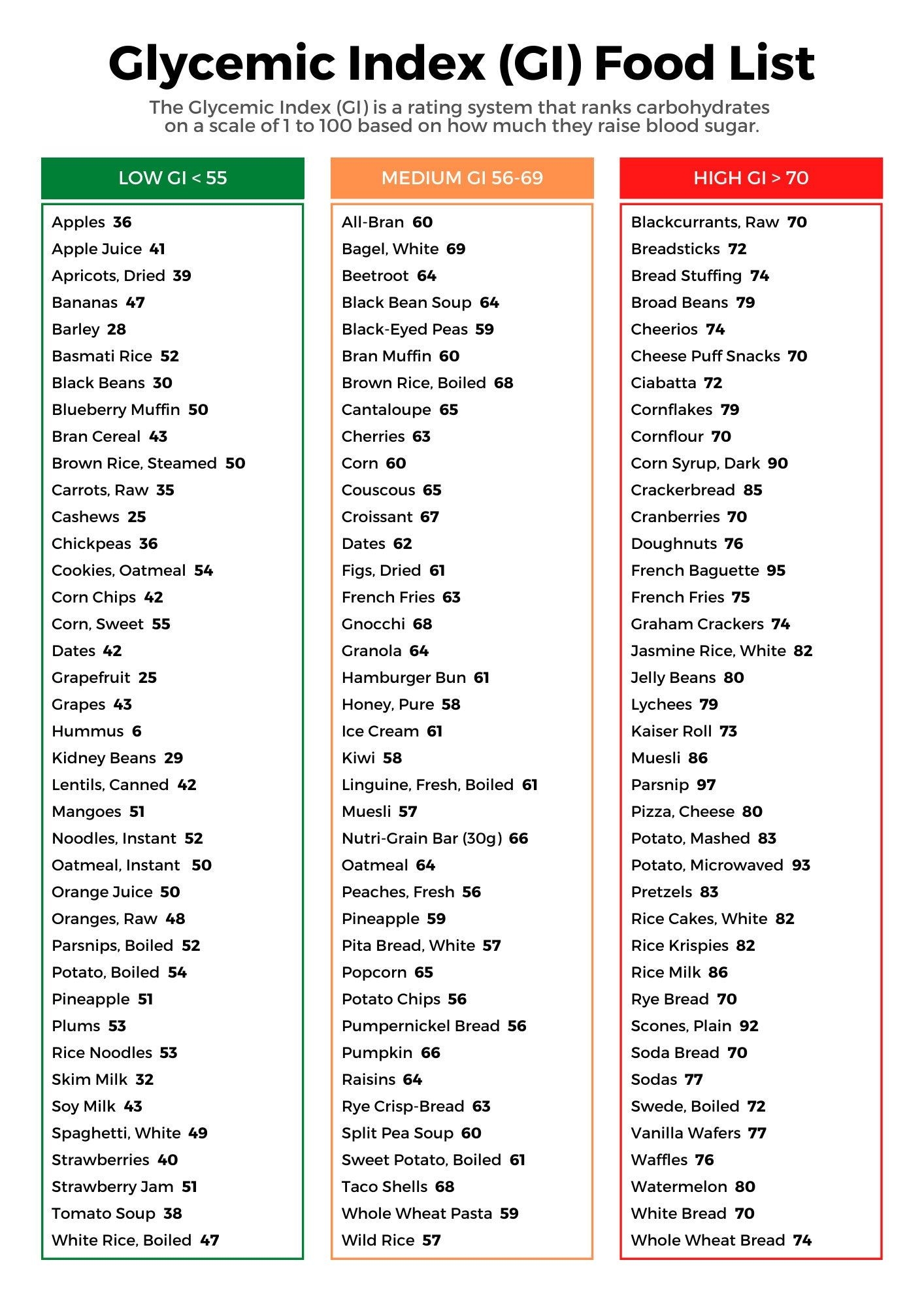 Glycemic Index Printable Chart
Some examples of low-glycemic foods include non-starchy vegetables, legumes, whole grains, and most fruits. These foods are digested and absorbed more slowly, leading to a gradual increase in blood sugar levels. On the other hand, high-glycemic foods like white bread, sugary cereals, and baked goods cause a rapid spike in blood sugar levels, which can be detrimental for individuals with diabetes or those trying to manage their weight.
Using a glycemic index printable chart can also be beneficial for athletes or individuals looking to optimize their performance. Consuming high-glycemic foods before or after intense exercise can provide a quick source of energy, while low-glycemic foods may be more suitable for sustained energy levels during longer workouts.
Incorporating a variety of foods with different glycemic index values into meals can help promote overall health and well-being. By striking a balance between low, medium, and high-glycemic foods, individuals can support stable blood sugar levels, maintain energy levels, and prevent spikes and crashes in blood glucose.
In conclusion, having a glycemic index printable chart on hand can be a valuable resource for individuals looking to manage their blood sugar levels, improve their diet, or enhance their athletic performance. By referencing this chart when planning meals and snacks, individuals can make informed choices that support their health and well-being.