Managing blood sugar levels is crucial for individuals with diabetes. One way to track and monitor blood sugar levels is by using printable blood sugar charts. These charts provide a visual representation of blood sugar readings over a period of time, allowing individuals to see patterns and make informed decisions about their diabetes management.
Printable blood sugar charts are easy-to-use tools that can be filled out manually or digitally to track blood sugar readings. These charts typically include columns for date, time, blood sugar reading, and any notes related to food intake, exercise, or medication. By consistently filling out these charts, individuals can identify trends and make adjustments to their diabetes management plan as needed.
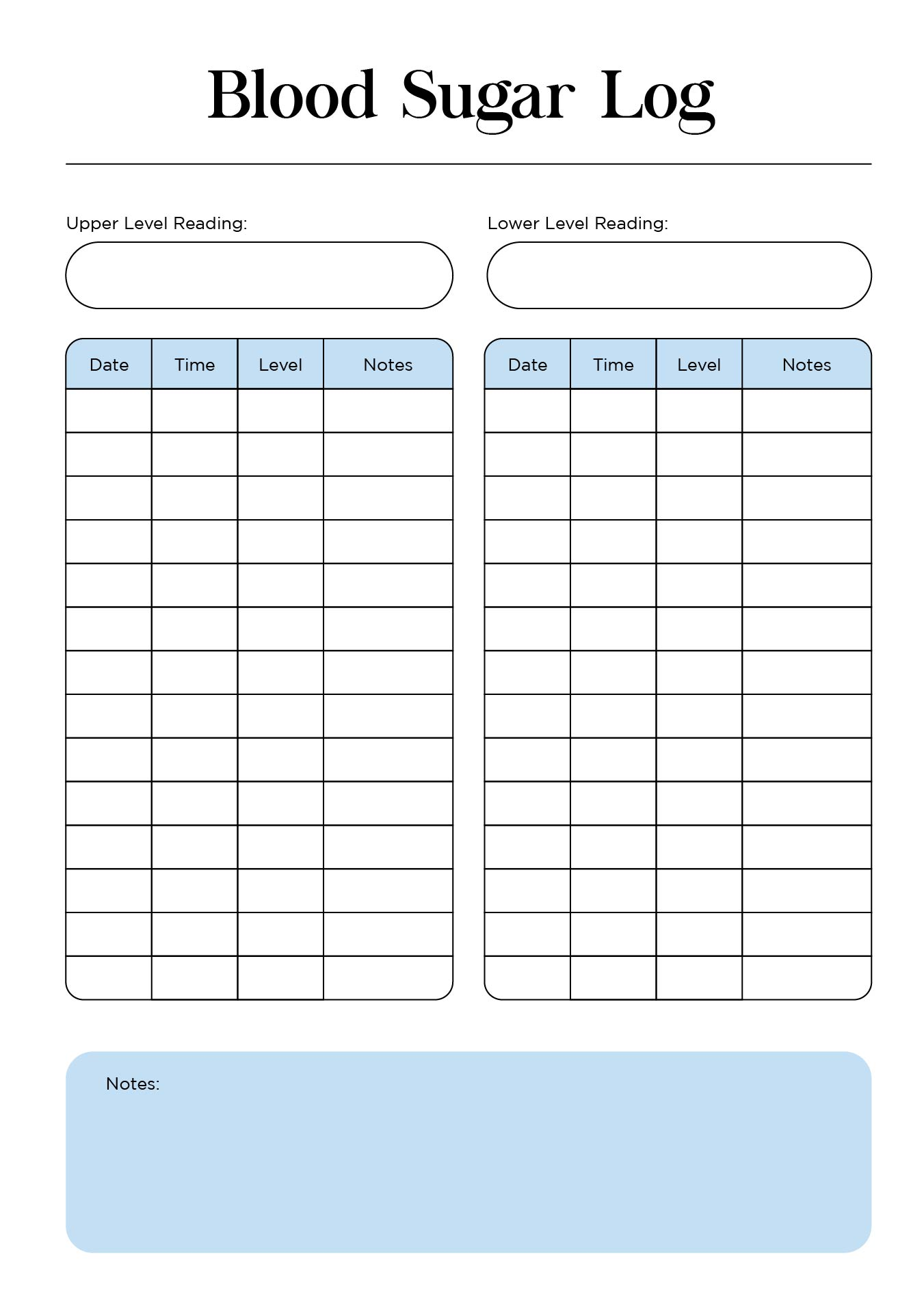 Printable Blood Sugar Charts
One of the benefits of using printable blood sugar charts is the ability to share them with healthcare providers. By bringing these charts to doctor appointments, individuals can provide their healthcare team with valuable information about their blood sugar levels and how they have been managing their diabetes. This can lead to more personalized treatment plans and better health outcomes.
Additionally, printable blood sugar charts can serve as a source of motivation and accountability. Seeing progress and improvements in blood sugar readings can be empowering and encourage individuals to continue making healthy choices. These charts can also help individuals stay on track with their diabetes management goals and make adjustments when needed.
Overall, printable blood sugar charts are valuable tools for individuals with diabetes looking to track and monitor their blood sugar levels. By using these charts consistently, individuals can gain insights into their diabetes management, share important information with healthcare providers, and stay motivated on their journey to better health.
So, if you or someone you know has diabetes, consider using printable blood sugar charts as part of your diabetes management plan. These charts can make a difference in tracking blood sugar levels and ultimately improving health outcomes.