Feeding your infant can be a daunting task, especially for first-time parents. It’s important to ensure that your baby is getting the right nutrients and in the right amounts. A feeding chart can help you keep track of your baby’s feeding schedule and ensure they are getting everything they need to grow healthy and strong.
Printable feeding charts are a great resource for parents to have on hand. They can be easily posted on the fridge or kept in a baby book for quick reference. These charts typically include recommended feeding amounts for each age group, as well as guidelines on when to introduce new foods and how to transition from breastmilk or formula to solid foods.
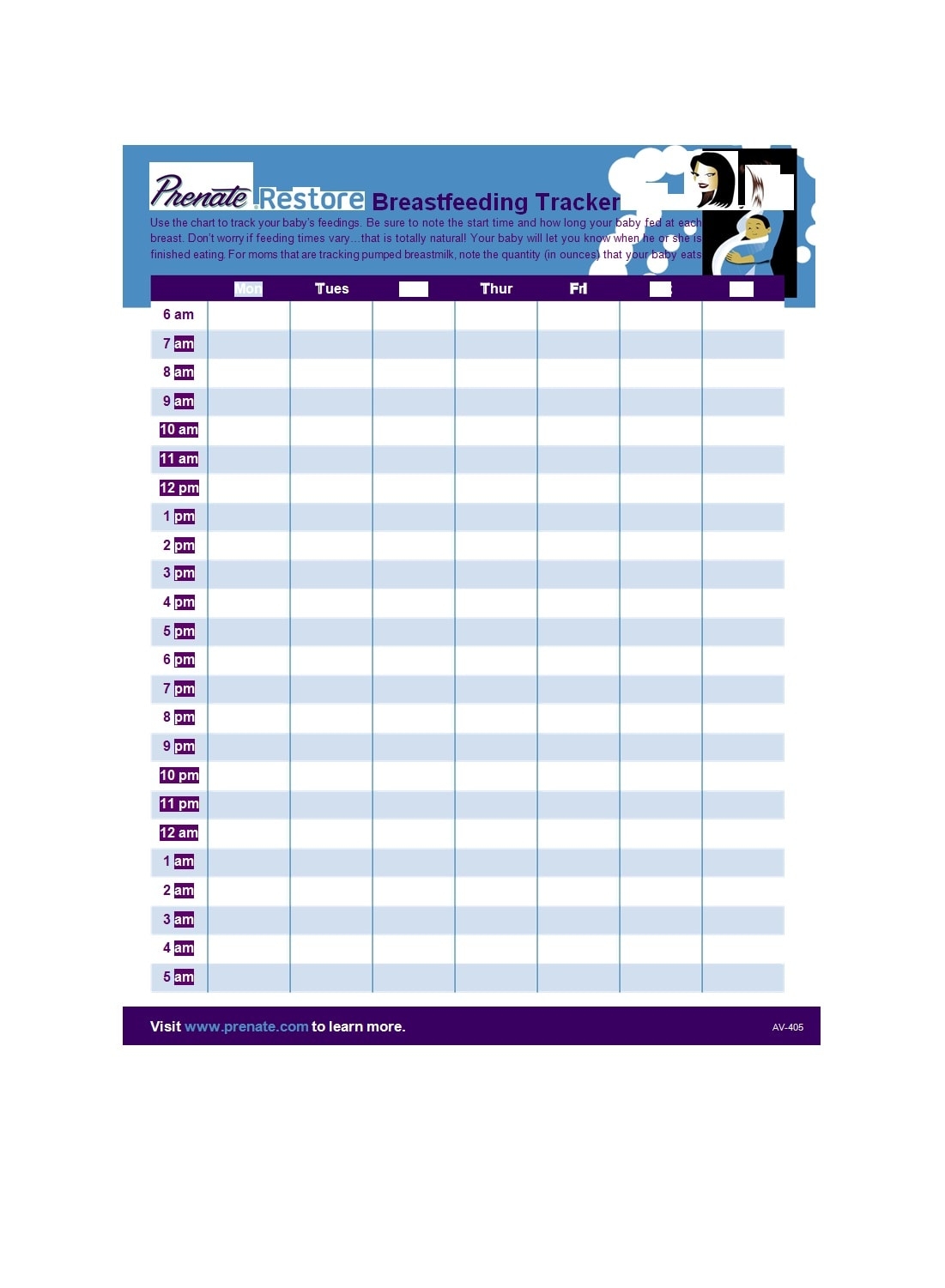 Feeding Chart For Infants Printable
When using a feeding chart for infants, it’s important to remember that every baby is different. Some babies may eat more or less than the recommended amounts, and that’s okay. It’s important to listen to your baby’s cues and adjust their feeding schedule accordingly. Consulting with a pediatrician is also a good idea to ensure that your baby is on track with their growth and development.
Feeding charts can also help parents keep track of their baby’s feeding patterns, which can be useful when discussing any concerns with a healthcare provider. By documenting when and how much your baby eats, you can provide valuable information that can help identify any potential issues early on.
Overall, a feeding chart for infants printable can be a valuable tool for parents to ensure their baby is getting the nutrition they need to thrive. It can also provide peace of mind knowing that you are on the right track with your baby’s feeding schedule. Remember to be flexible and adapt the chart to fit your baby’s unique needs, and always consult with a healthcare provider if you have any concerns.
In conclusion, a feeding chart for infants printable can be a helpful resource for parents to track their baby’s feeding schedule and ensure they are getting the right nutrients. By using a feeding chart, parents can stay organized and on top of their baby’s feeding patterns, making the feeding process a little less stressful. Remember to consult with a pediatrician for personalized guidance and advice on your baby’s feeding needs.