Monitoring your blood sugar levels is crucial for managing diabetes and preventing complications. A printable chart for blood sugar levels can help you track your readings and identify patterns over time. This can provide valuable information for you and your healthcare provider to make informed decisions about your diabetes management.
Whether you have type 1 diabetes, type 2 diabetes, or are at risk for developing diabetes, using a blood sugar chart can be a useful tool in managing your health. By recording your blood sugar levels at different times throughout the day, you can see how your body responds to food, exercise, medication, and other factors.
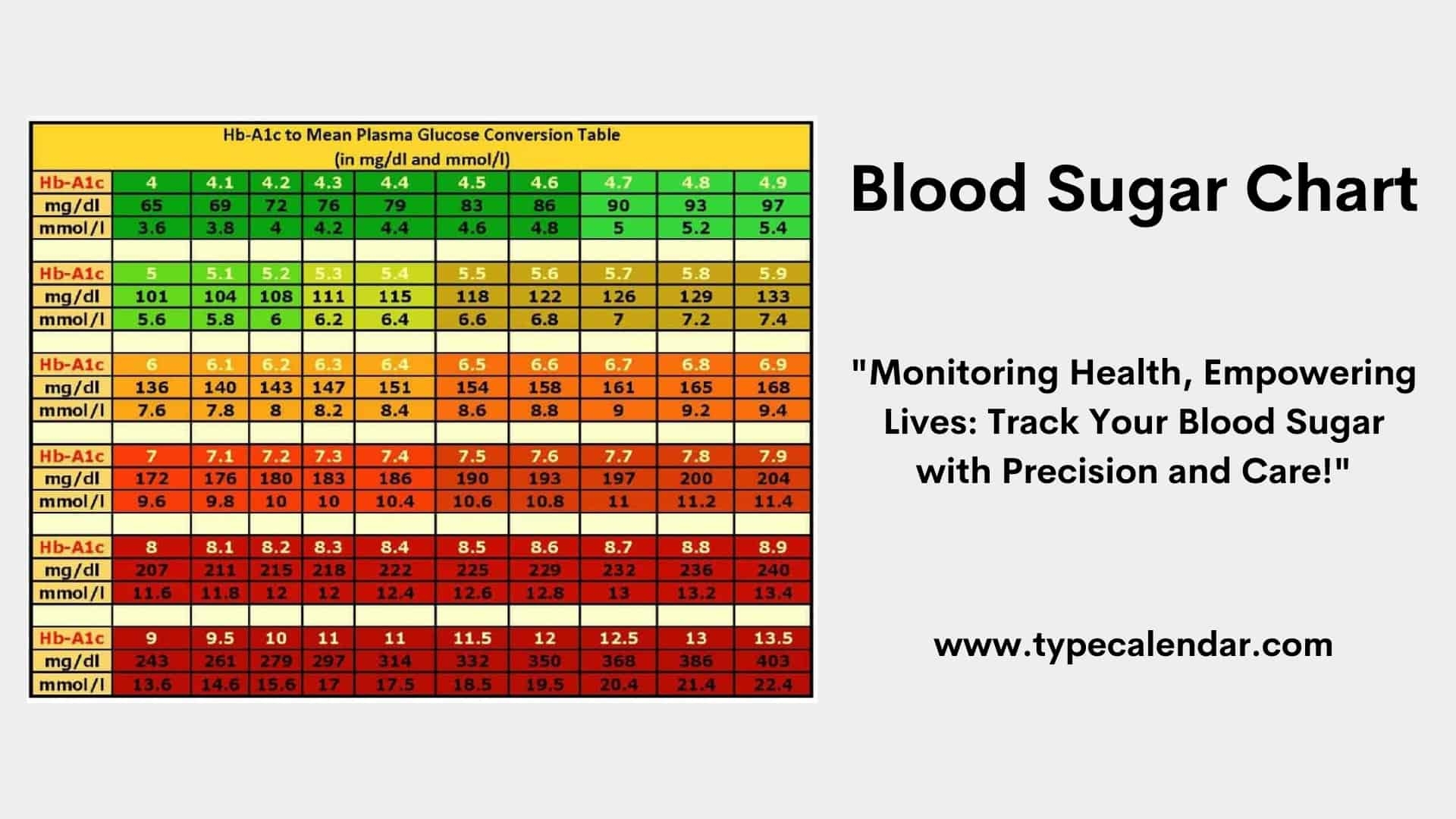 Printable Chart For Blood Sugar Levels
It’s important to note that blood sugar levels can fluctuate throughout the day, so it’s recommended to test your blood sugar at various times, such as before and after meals, before bed, and during physical activity. By consistently tracking your blood sugar levels, you can better understand how different factors impact your readings and make adjustments as needed.
With a printable blood sugar chart, you can easily record your readings and share them with your healthcare team during appointments. This can help them assess your diabetes management plan and make any necessary changes to optimize your blood sugar control. Additionally, having a visual representation of your blood sugar levels can motivate you to stay on track with your diabetes management goals.
There are various blood sugar charts available online that you can download and print for your convenience. Some charts may include sections for recording your blood sugar levels, date and time of testing, medications or insulin doses, and notes about your diet and physical activity. Choose a chart that suits your needs and preferences to effectively monitor your blood sugar levels.
In conclusion, using a printable chart for blood sugar levels can be a valuable tool in managing diabetes and improving your overall health. By consistently tracking your blood sugar readings and identifying patterns, you can make informed decisions about your diabetes management plan and work towards achieving optimal blood sugar control.