Teaching children responsibility and the importance of completing tasks can be made easier with the use of a printable chore chart. Chore charts are a great way to keep track of tasks and help children develop good habits at a young age. By providing a visual representation of their responsibilities, kids can easily see what needs to be done and feel a sense of accomplishment when tasks are completed.
Printable chore charts come in various designs and themes, making them fun and engaging for kids to use. Whether it’s a simple list of daily chores or a more elaborate chart with stickers and rewards, there are plenty of options to choose from that will suit your child’s interests and age group.
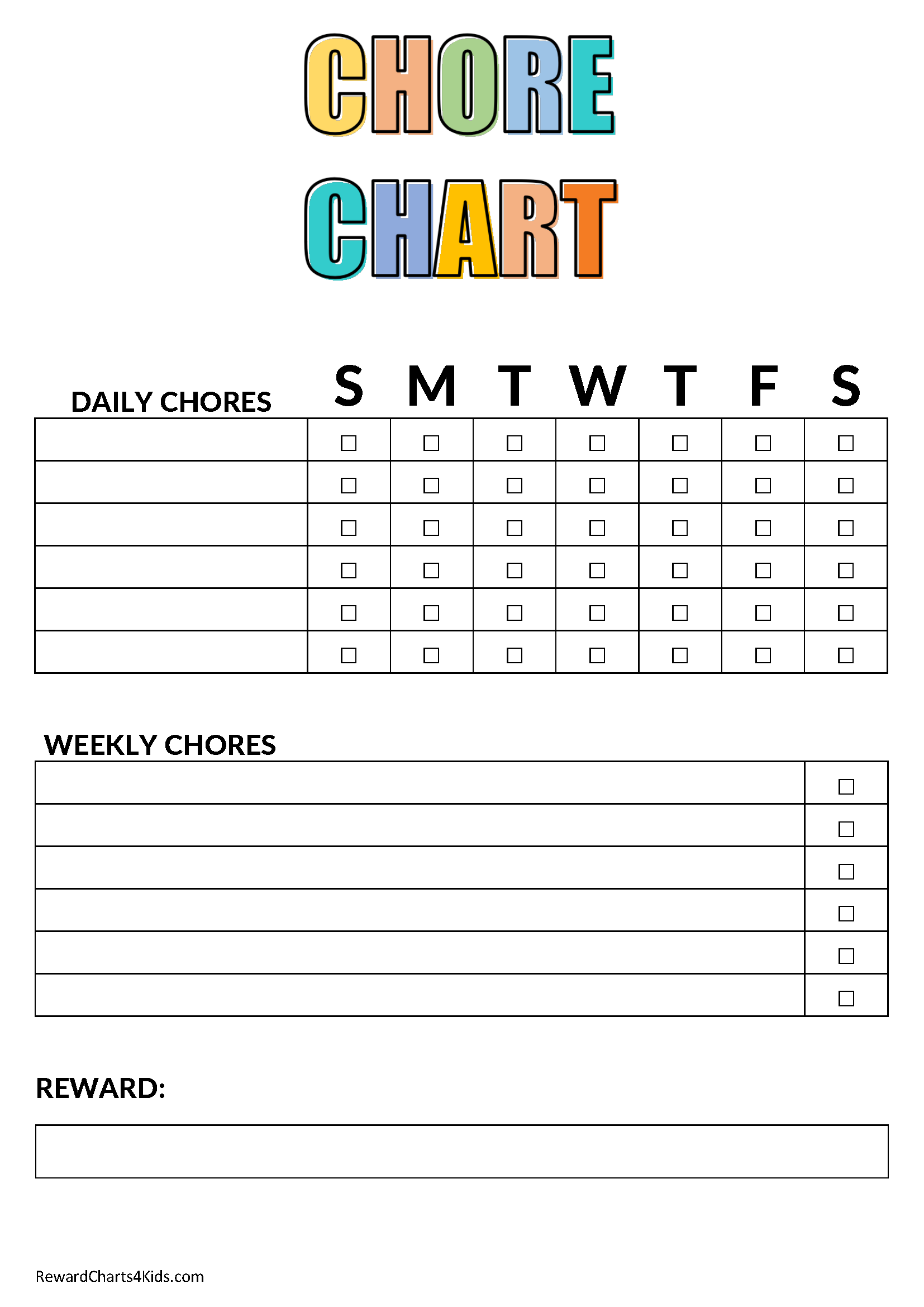 Printable Chore Chart For Kids
Having a chore chart can also help parents keep track of their child’s progress and provide a sense of structure and routine in the household. By setting clear expectations and goals, children can learn the value of hard work and responsibility, which will benefit them in the long run.
When creating a chore chart for kids, it’s important to involve them in the process and allow them to have a say in what tasks they would like to do. This can help them feel more motivated and engaged in completing their chores. It’s also important to make the chart age-appropriate and to set realistic expectations based on the child’s abilities.
Using a printable chore chart for kids can make household chores more manageable and enjoyable for both children and parents. It encourages a sense of teamwork and cooperation within the family, as everyone works together to maintain a clean and organized home. With the help of a chore chart, children can develop valuable life skills that will serve them well in the future.
In conclusion, printable chore charts are a great tool for teaching children responsibility and helping them develop good habits. By using a chore chart, parents can instill a sense of accountability and work ethic in their children while making household chores more manageable and fun. So why not give it a try and see the positive impact it can have on your child’s development?