Emotions play a significant role in our daily lives, influencing how we think, feel, and behave. It is essential to be able to identify and express our emotions effectively to maintain mental well-being and healthy relationships. However, this can be challenging for some individuals, especially children or those with limited emotional awareness.
One helpful tool in developing emotional intelligence is a printable emotions chart. This visual aid can assist individuals in recognizing and labeling their feelings, providing a foundation for effective communication and self-regulation.
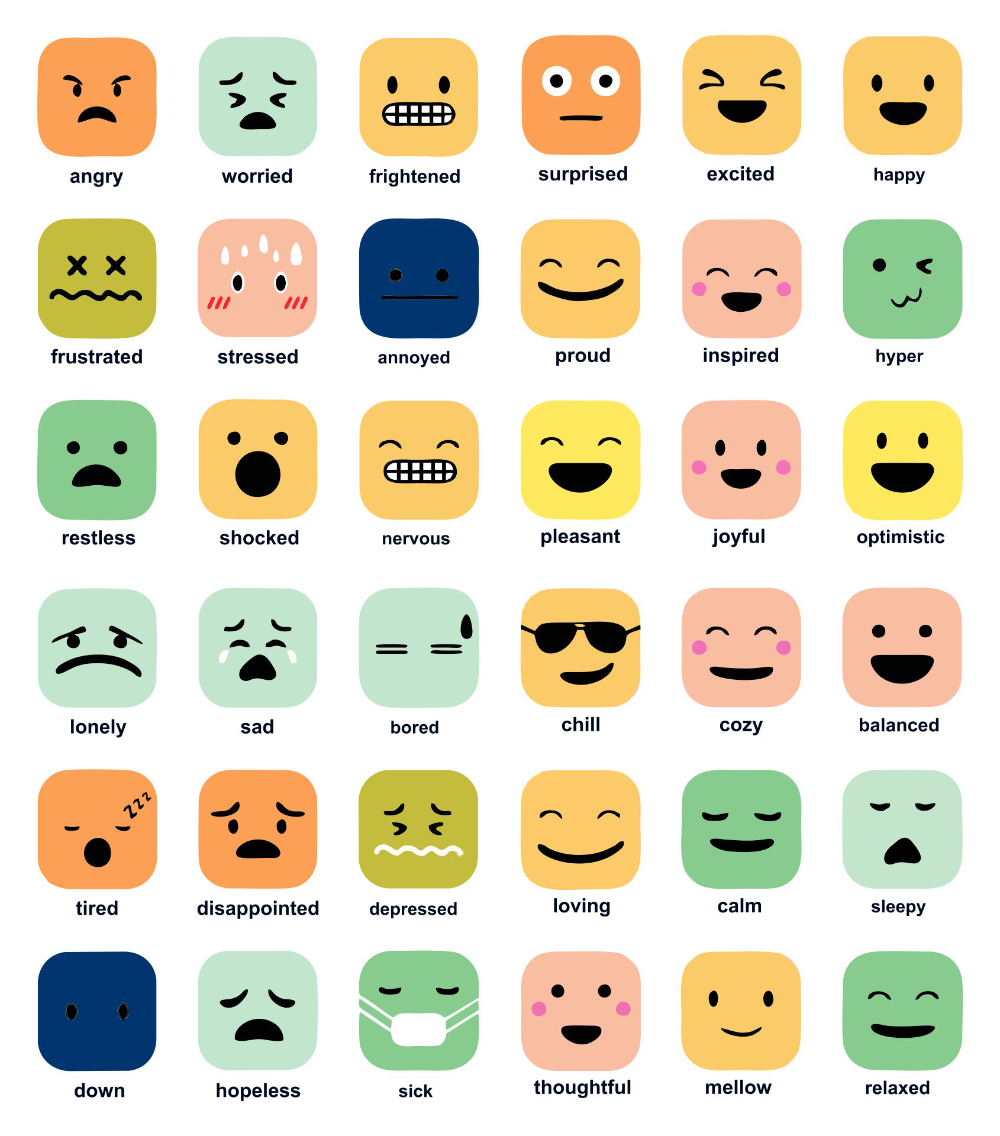 Printable Emotions Chart
Printable Emotions Chart
A printable emotions chart typically includes a range of emotions such as happiness, sadness, anger, fear, surprise, disgust, and more. Each emotion is accompanied by a corresponding facial expression or color-coded indicator to help individuals identify and understand their feelings more easily. This chart can be used in various settings, including schools, therapy sessions, or at home, to promote emotional awareness and expression.
One way to utilize a printable emotions chart is through daily check-ins or reflection exercises. By regularly referring to the chart and identifying their current emotions, individuals can develop a greater sense of self-awareness and emotional literacy. Additionally, educators and therapists can use the chart as a visual aid to facilitate discussions about emotions and coping strategies with their students or clients.
Another benefit of using a printable emotions chart is its versatility and adaptability. Depending on individual preferences or specific needs, the chart can be customized to include additional emotions or personalized cues for better identification. This flexibility allows users to tailor the chart to their unique emotional experiences and preferences, enhancing its effectiveness as a tool for emotional regulation and expression.
In conclusion, a printable emotions chart is a valuable resource for promoting emotional intelligence and well-being. By providing a visual representation of various emotions and their corresponding cues, this tool can help individuals of all ages better understand and express their feelings. Whether used in educational, therapeutic, or personal settings, a printable emotions chart can serve as a powerful tool for enhancing emotional awareness, communication, and self-regulation.