Understanding the glycemic index (GI) of foods is essential for managing blood sugar levels and overall health. The GI ranks carbohydrates based on how quickly they raise blood glucose levels. Foods with a high GI can cause spikes in blood sugar, leading to energy crashes and potential health issues. On the other hand, foods with a low GI are digested more slowly, providing a steady release of energy and promoting better blood sugar control.
A printable glycemic chart is a useful tool for anyone looking to make healthier food choices and manage their blood sugar levels. This chart categorizes foods based on their GI values, making it easy to identify which foods to include in your diet and which ones to limit. By referring to a glycemic chart, you can make more informed decisions about the foods you eat and their impact on your blood sugar levels.
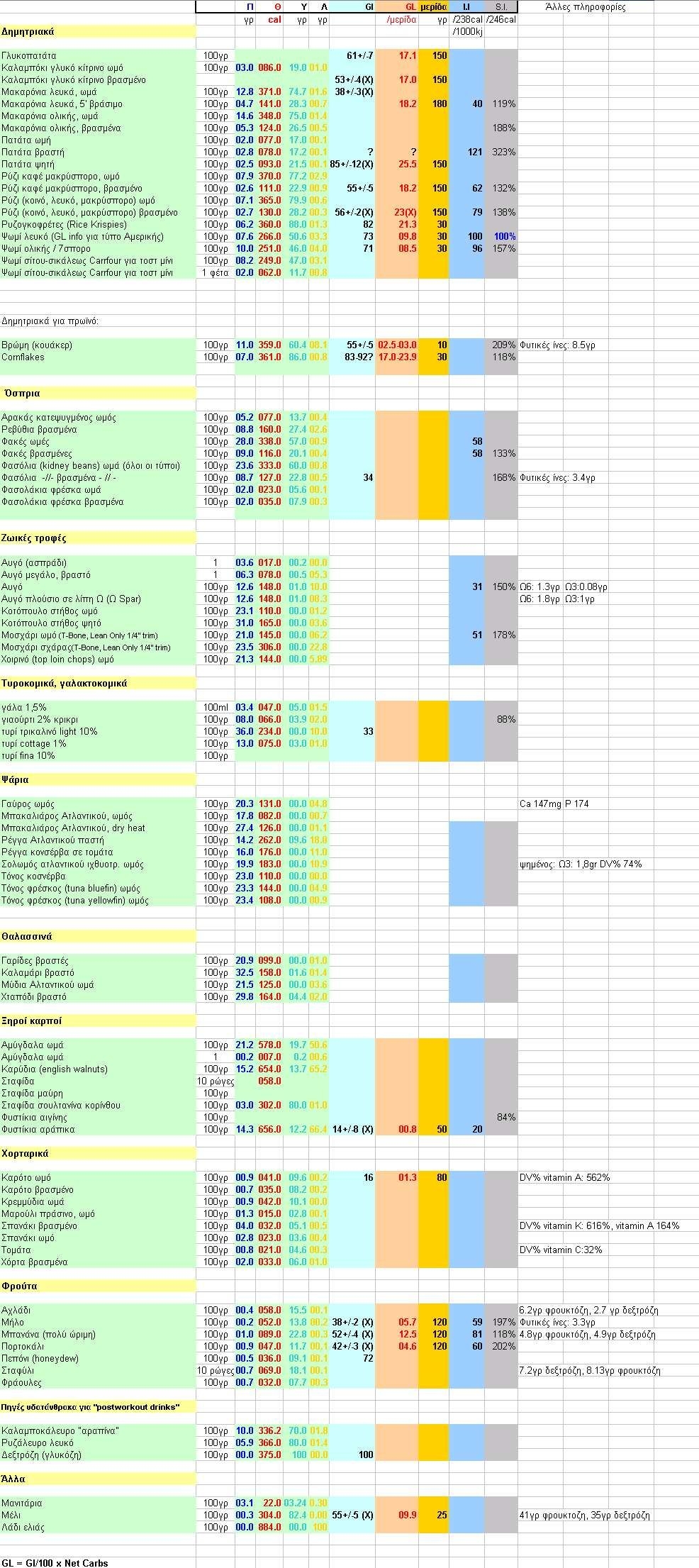 Printable Glycemic Chart
Low GI foods typically include fruits, vegetables, whole grains, and legumes, while high GI foods consist of processed and refined carbohydrates, sugary snacks, and sugary beverages. By choosing more low GI foods and avoiding high GI options, you can stabilize your blood sugar levels, improve your energy levels, and reduce your risk of developing chronic conditions like diabetes and heart disease.
When using a printable glycemic chart, it’s important to remember that individual responses to foods can vary. Factors like portion size, cooking methods, and food combinations can influence how your body processes carbohydrates. It’s also essential to consider the overall nutritional quality of foods, not just their GI value. Incorporating a variety of nutrient-dense foods into your diet is key to supporting your overall health and well-being.
In conclusion, a printable glycemic chart can be a valuable resource for anyone looking to improve their diet and manage their blood sugar levels. By using this tool to make smarter food choices, you can support your health goals and reduce your risk of chronic diseases. Remember to consult with a healthcare professional or nutritionist for personalized advice on how to incorporate low GI foods into your diet and optimize your overall nutrition.