When it comes to managing your diet and overall health, understanding the glycemic index is key. The glycemic index measures how quickly a certain food raises blood sugar levels. Foods with a high glycemic index can cause spikes in blood sugar, leading to potential health issues such as diabetes and weight gain. On the other hand, foods with a low glycemic index are digested more slowly, providing a more steady release of energy and keeping blood sugar levels stable.
Having a printable glycemic index chart on hand can be a helpful tool in making informed food choices. With this chart, you can easily identify which foods have a high glycemic index and which have a low glycemic index, allowing you to plan balanced meals that promote stable blood sugar levels.
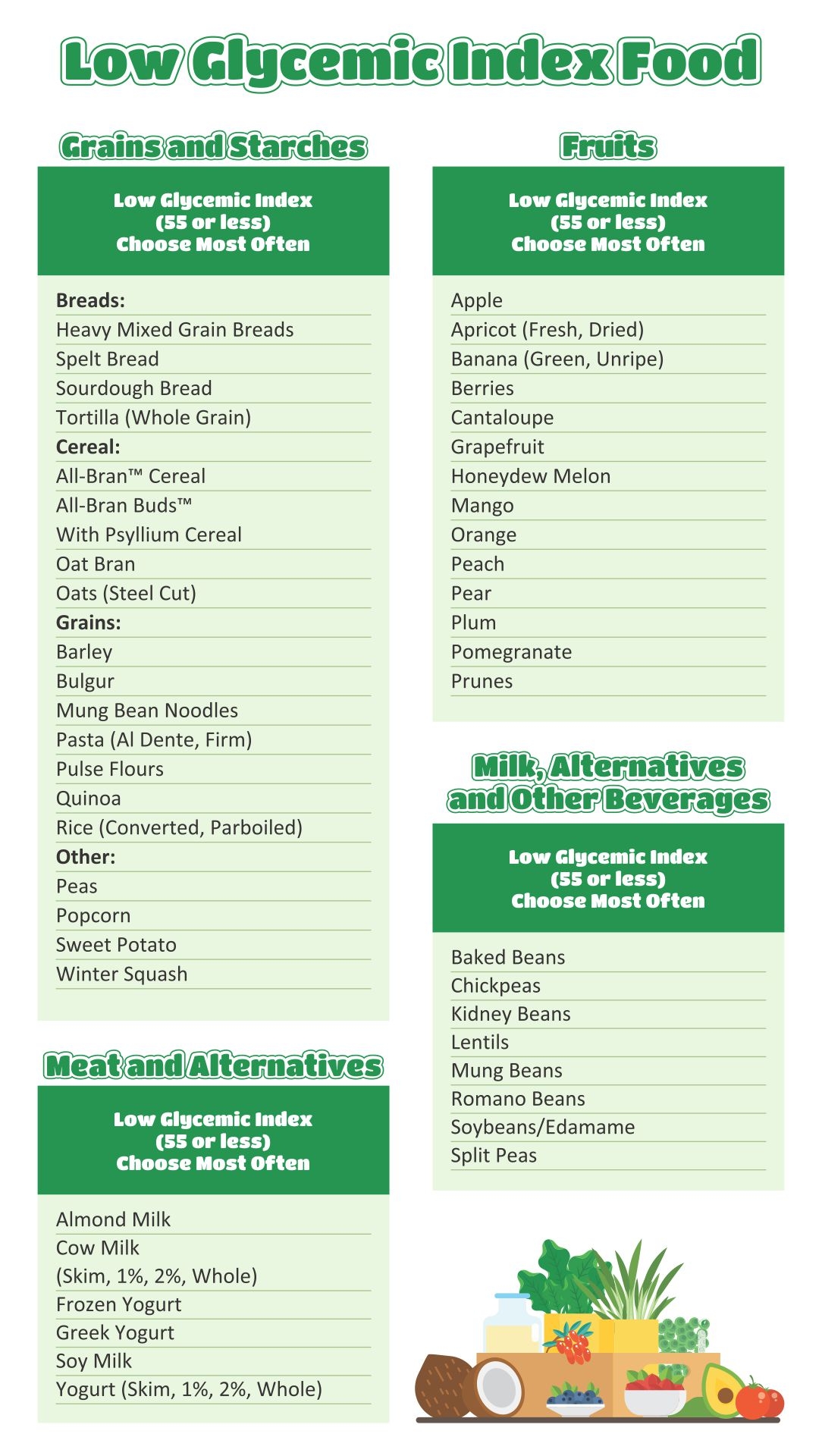 Printable Glycemic Index Chart
Printable Glycemic Index Chart
Below is a sample printable glycemic index chart that you can use as a reference when planning your meals:
| Food | Glycemic Index |
|---|---|
| White bread | 71 |
| Quinoa | 53 |
| Apple | 39 |
| Carrot | 32 |
As you can see from the chart, foods like white bread have a high glycemic index, while foods like carrots have a low glycemic index. By using this chart as a guide, you can make healthier food choices that will benefit your overall health and well-being.
It’s important to note that the glycemic index is just one factor to consider when planning your meals. Portion sizes, overall nutritional content, and individual health goals should also be taken into account when making dietary choices. Consulting with a healthcare provider or nutritionist can help you create a personalized meal plan that works best for you.
By utilizing a printable glycemic index chart and incorporating this knowledge into your daily meal planning, you can take control of your diet and make choices that support your overall health and well-being.