Keeping track of your blood pressure is essential for maintaining good health. High blood pressure, also known as hypertension, can lead to serious health issues such as heart disease, stroke, and kidney problems. By monitoring your blood pressure regularly, you can catch any abnormalities early and take steps to manage them.
One way to monitor your blood pressure is by using a printable NHS Blood Pressure Recording Chart. This simple tool allows you to record your blood pressure readings over time, making it easier to track any changes and share the information with your healthcare provider.
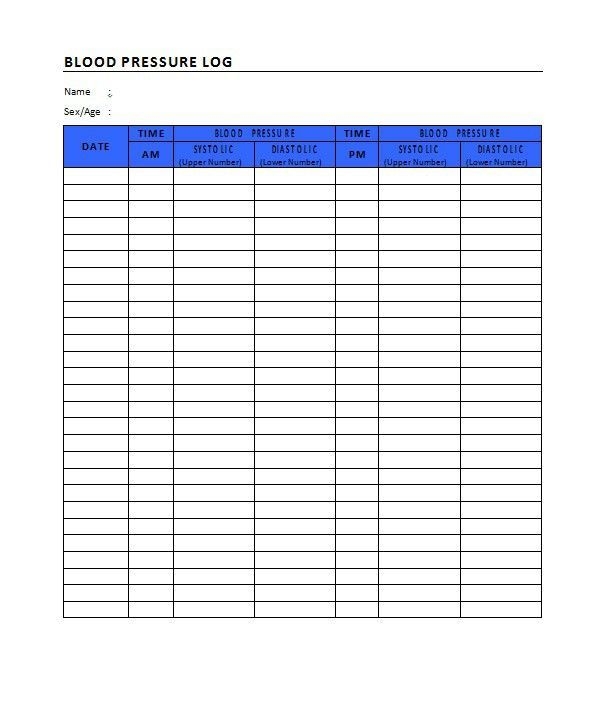 Printable Nhs Blood Pressure Recording Chart
Printable NHS Blood Pressure Recording Chart
The Printable NHS Blood Pressure Recording Chart typically includes columns for recording the date, time of day, systolic blood pressure (the top number), and diastolic blood pressure (the bottom number). You can easily print out multiple copies of the chart and fill it out each time you take your blood pressure.
It is recommended to take your blood pressure at the same time each day, preferably in the morning before eating or taking any medications. By consistently tracking your blood pressure readings, you and your healthcare provider can identify any patterns or trends that may require attention.
Using a Printable NHS Blood Pressure Recording Chart can also help you stay motivated to maintain a healthy lifestyle. Seeing improvements in your blood pressure readings over time can be a great encouragement to continue with healthy habits such as regular exercise, a balanced diet, and stress management.
Remember that blood pressure can fluctuate throughout the day due to factors such as stress, physical activity, and diet. It is important to take multiple readings and record them accurately to get a true picture of your overall blood pressure levels.
In conclusion, monitoring your blood pressure is a simple yet crucial step in maintaining good health. By using a Printable NHS Blood Pressure Recording Chart, you can easily track your blood pressure readings and make informed decisions about your health. Remember to consult with your healthcare provider if you have any concerns about your blood pressure levels.